Cloud Kitchen Guide
The Kitchen Behind Your Order
Take a closer look at the cloud kitchen model, from the digital order to the final cook.
What Is a Cloud Kitchen?

The kitchen is real; there’s just no dining room.
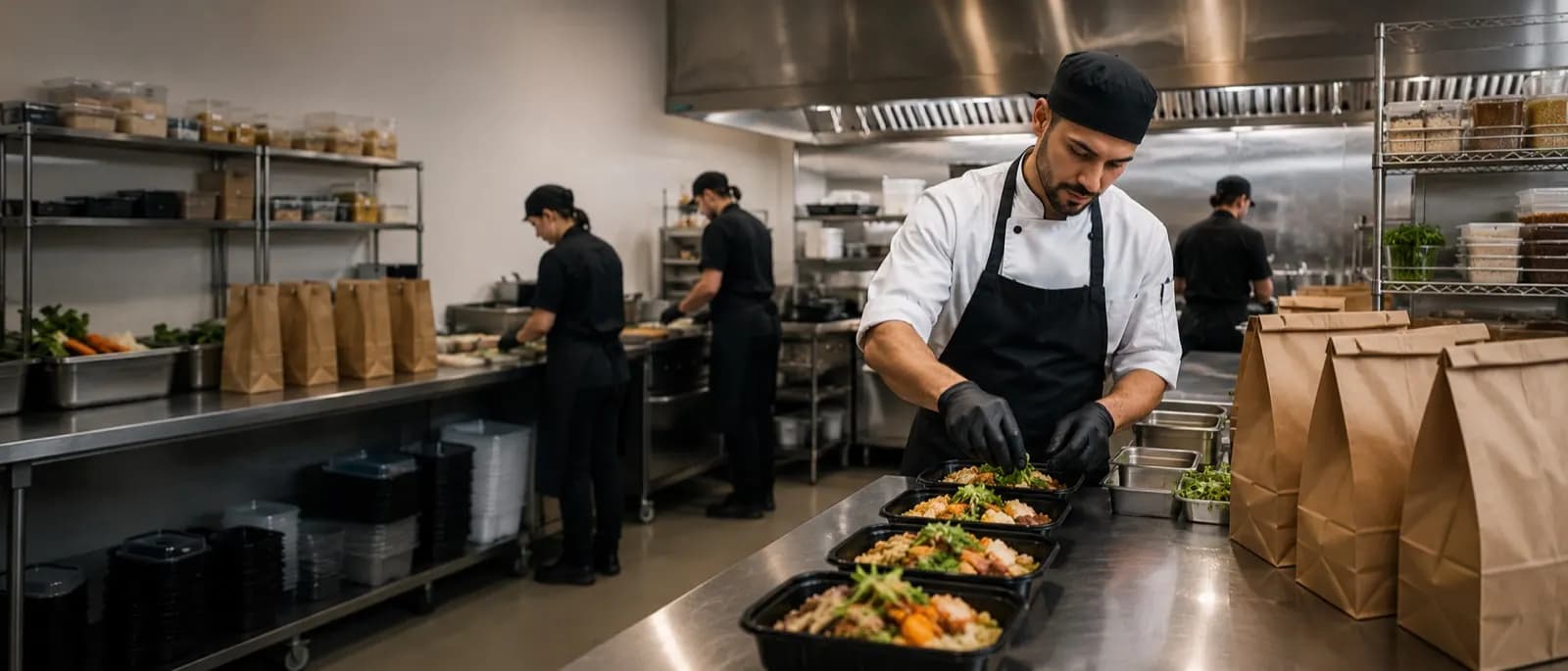
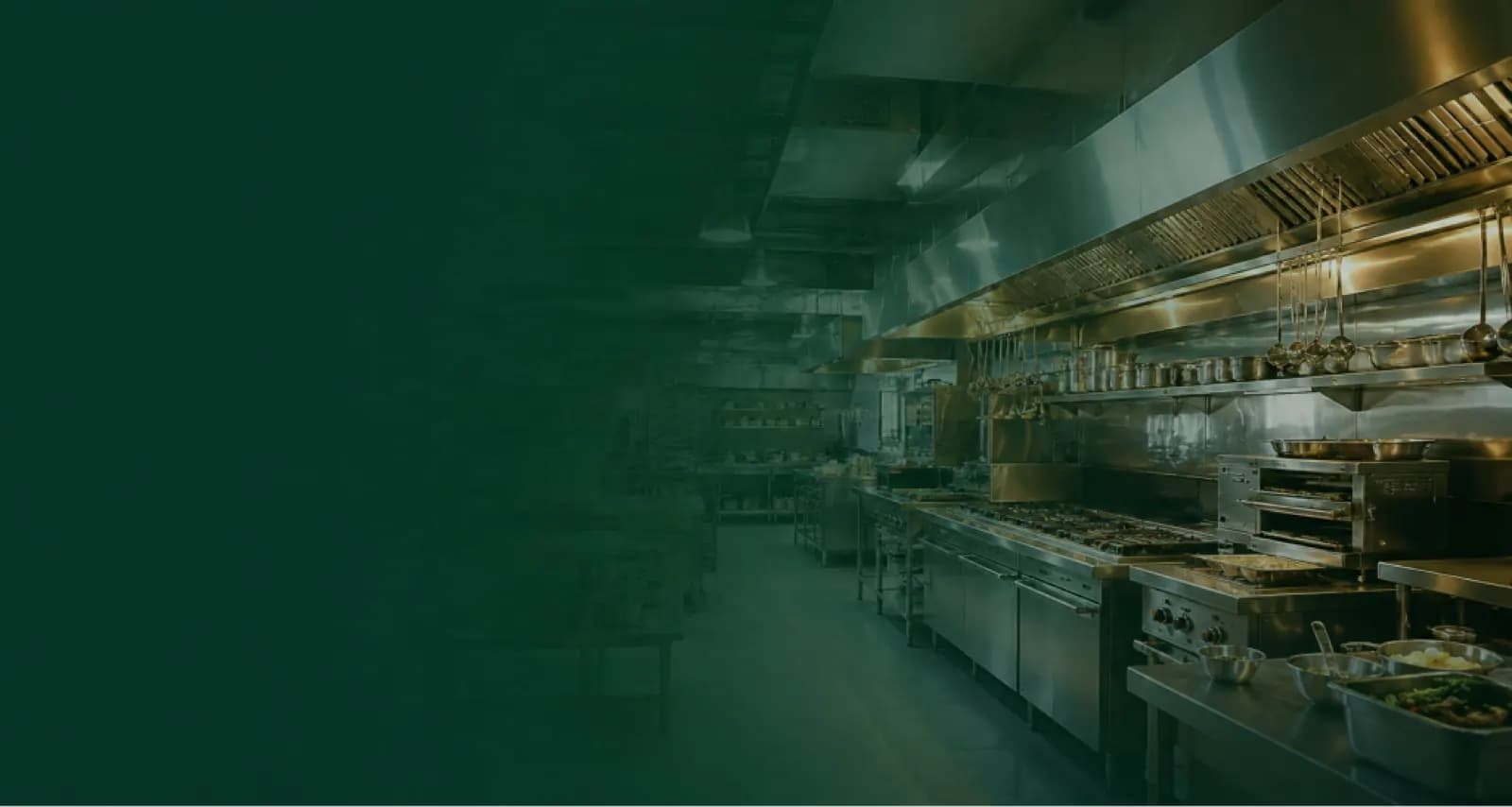
A cloud kitchen, often called a ghost kitchen, is a professional kitchen that cooks only for delivery and pickup orders. There is no dining room and no seated guests.
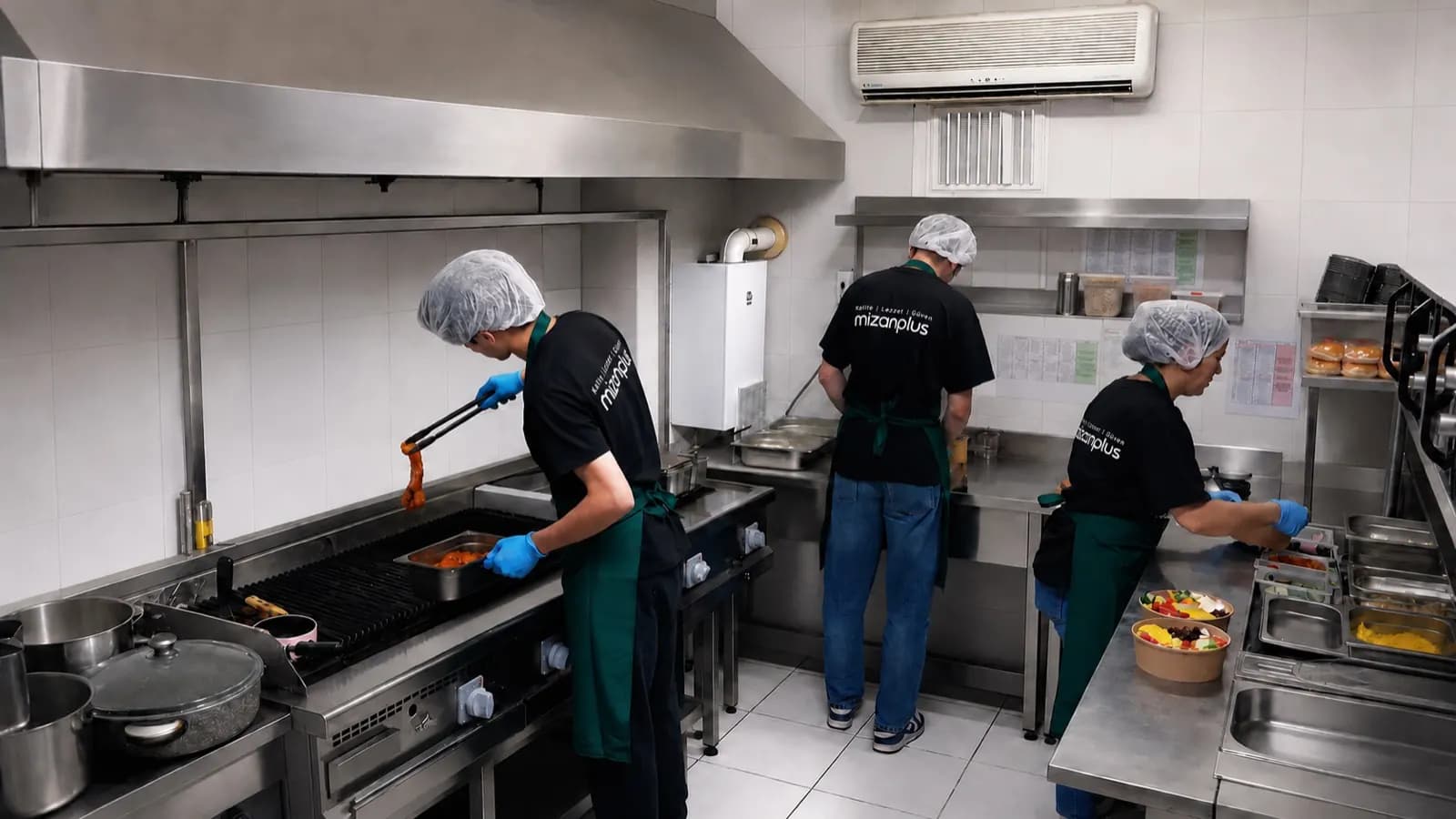
The food is prepared in a physical kitchen by a real team. What sets it apart is that orders come in through digital channels, and several food brands can be produced on the same kitchen infrastructure.
 hygiene standardsstandardized recipesfast & reliable delivery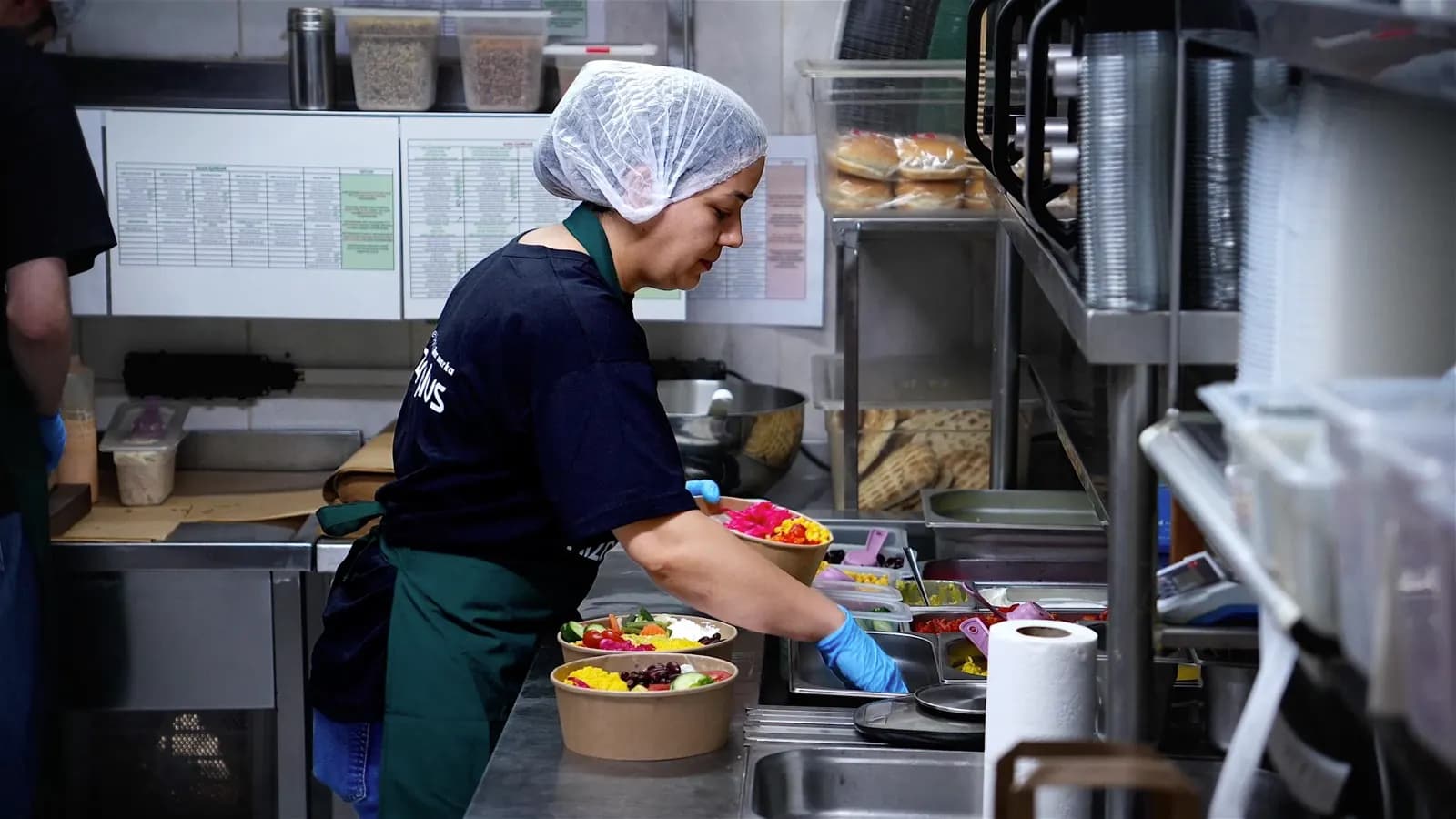

A Real Kitchen
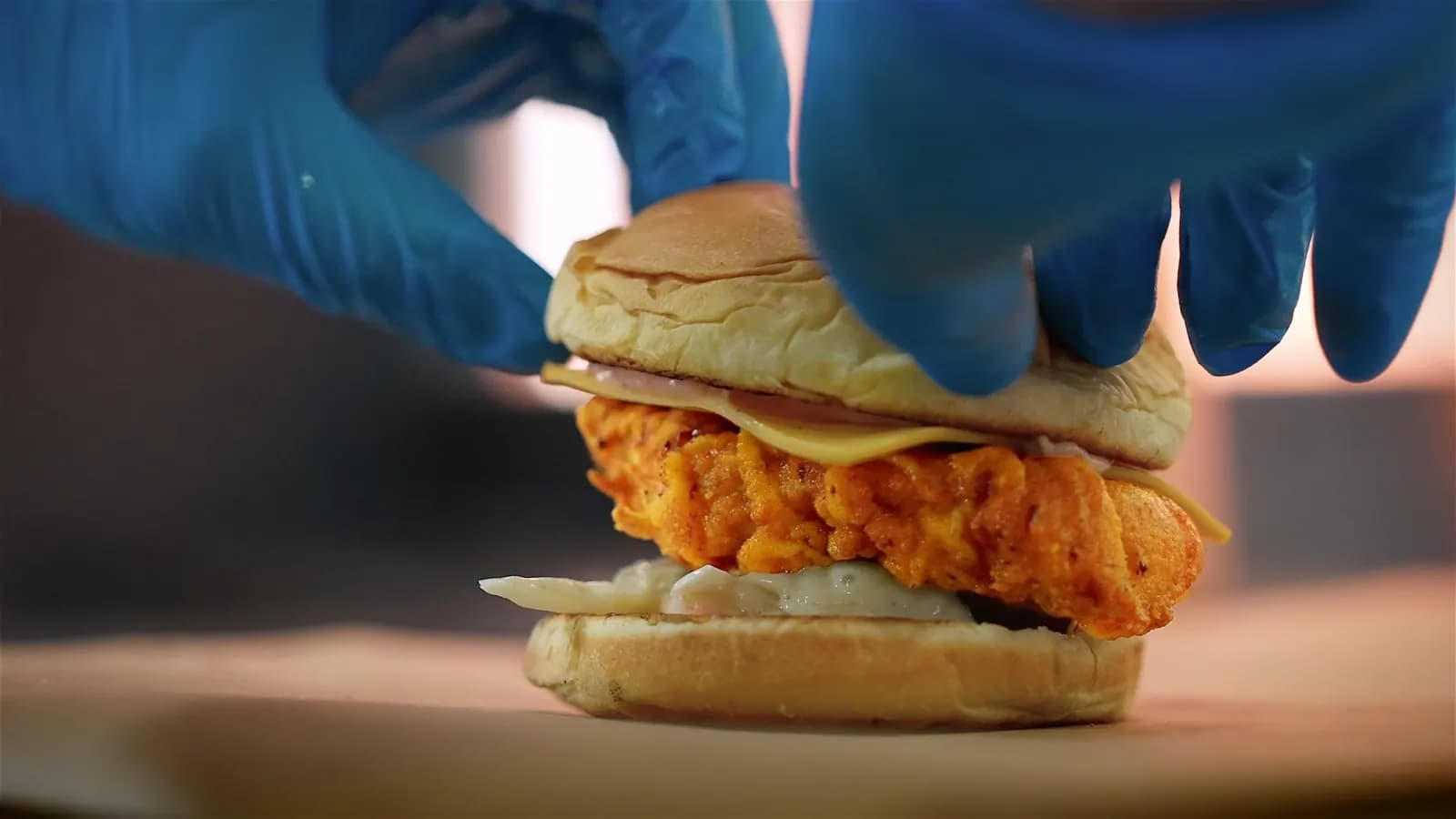
In a cloud kitchen, food is prepared in a physical kitchen by a real team.

Multiple Brands
One kitchen can run several brands across different food categories.

Regulation
Cloud kitchens are held to the same food safety and hygiene obligations as dine-in restaurants.

Standardized Production
Set recipes, portion weights, and prep standards aim for the same quality at every production site.

Trust
A trustworthy cloud kitchen keeps its website, production sites, registration, and contact details public and verifiable.
How Does the Cloud Kitchen Model Work?
Every order follows a standardized, controlled process, from recipe development all the way to delivery.

01
Menu & Recipes
Each brand gets set recipes, portion weights, and cooking standards.

02
Central Sourcing
Ingredients come from suppliers that meet our defined quality standards.

03
Central Prep
Prep work such as marinating, sauces, and portioning is done centrally.

04
Final Cook
When an order comes in, the dish is cooked and finished at the location.

05
Packaging & Delivery
Finished dishes are packed under controlled conditions, ready for delivery.
Why Does One Cloud Kitchen
Run Multiple Brands?
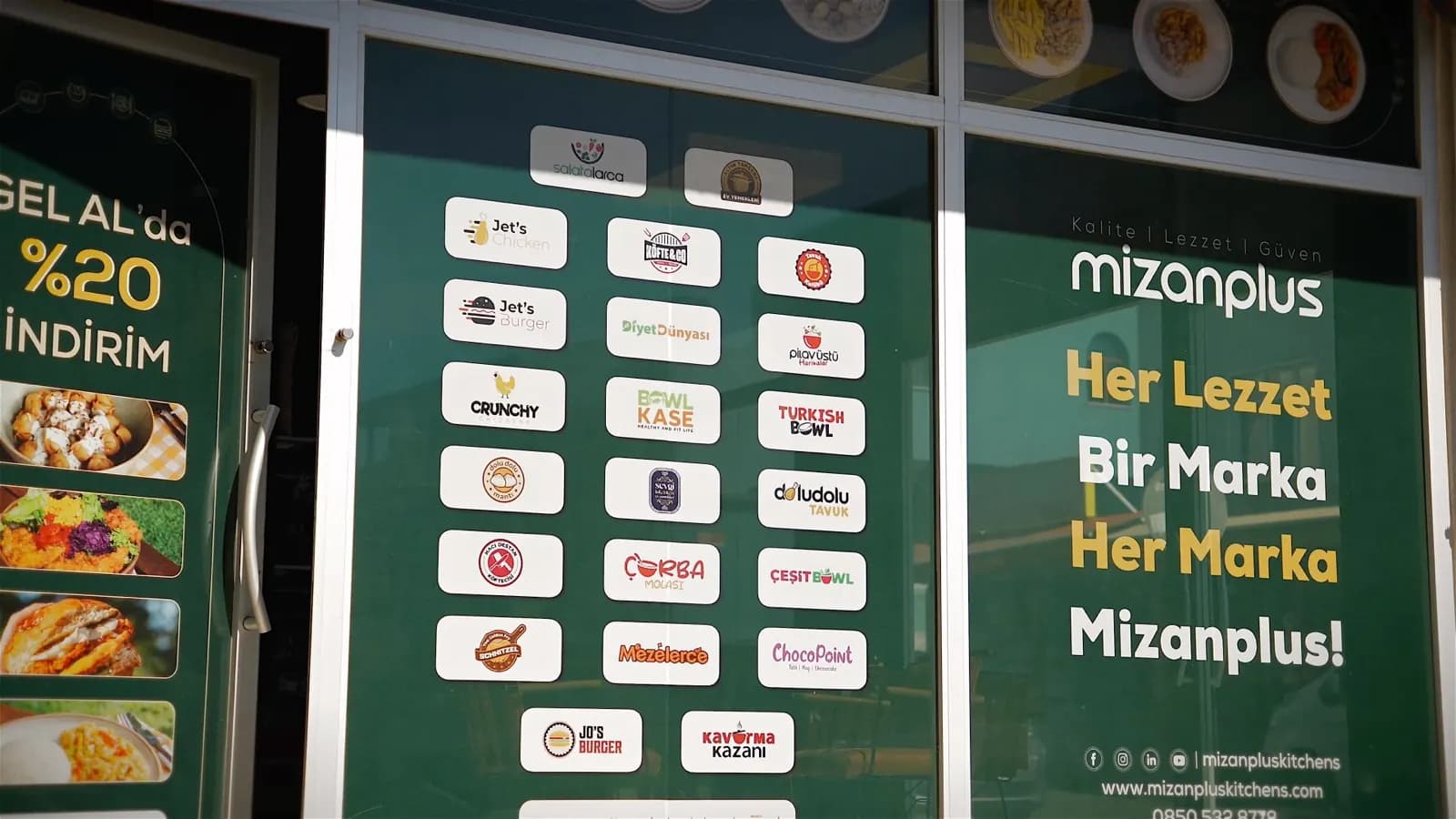
A single kitchen can produce several food categories with the same equipment, team, and operational setup. Separate brand identities let each category, whether burgers, crispy chicken, wraps, or desserts, stand out on its own expertise.

Efficient Use of Capacity
The same equipment, team, and kitchen infrastructure can serve several different menus.

Category Specialization
Each brand focuses on one area, with a menu, recipes, and brand identity built specifically for it.

More Menu Choices
Offering different cuisines through one production system gives customers more to choose from.
Which Model Is
Behind Your Order?
The same ordering experience can hide very different production and brand setups. Some models describe a physical kitchen; others describe a virtual brand that exists only online.

Traditional Restaurant
- Food is prepared in the restaurant’s own kitchen, with dine-in service.
- Subject to food regulations; recipe standards are set by the business itself.
- Usually runs a single brand and menu; you can see where the food is made.
 dining roomdelivery expertise

Cloud Kitchen
- Food is prepared in a physical kitchen; there is no dining room.
- Subject to the same food regulations; recipes and portion weights can be standardized.
- Several brands can come out of one kitchen; production details should be public.
- Because it is built for delivery, it offers a faster, more controlled ordering experience.
delivery-focused
Restaurant Within a Restaurant
- Food is made in an existing restaurant kitchen; dine-in service continues.
- The host business’s permits and regulations apply; separate recipes can be used.
- The same kitchen also cooks for additional delivery brands, making better use of its costs.
dining roomextra delivery brandsTwo Models, Two Different Experiences
Traditional restaurants and cloud kitchens each offer diners different advantages.
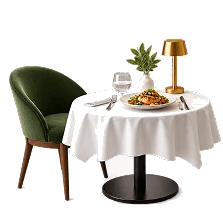
Traditional Restaurant
Offers a dining room, table service, and a restaurant atmosphere.

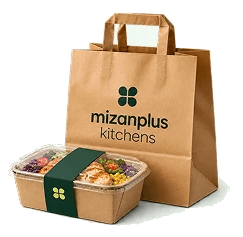
Cloud Kitchen
Focuses on delivery and pickup instead of a dining room.
How the System Works at Mizanplus
Mizanplus is a cloud kitchen operation that runs a portfolio of delivery brands under one roof. Every process, from production to sourcing and packaging, follows defined quality and food safety standards.
01
Where Is the Food Made?
Meals are prepared in hygiene-certified kitchens approved by Türkiye’s Ministry of Agriculture and Forestry. Every process runs under the supervision of food engineers, and our kitchens are inspected periodically by independent auditors. Our central production facility is certified to ISO 22000:2018 (food safety management) and ISO 9001:2015 (quality management).
You can find every active production site on our Locations page.
View Our Locations

02
Where Do the Ingredients Come From?
All ingredients come from certified suppliers approved by Türkiye’s Ministry of Agriculture and Forestry. They travel to our production sites by cold-chain logistics, with temperature and hygiene conditions monitored the whole way.
Our Supplier Network

03
How Is It Packaged?
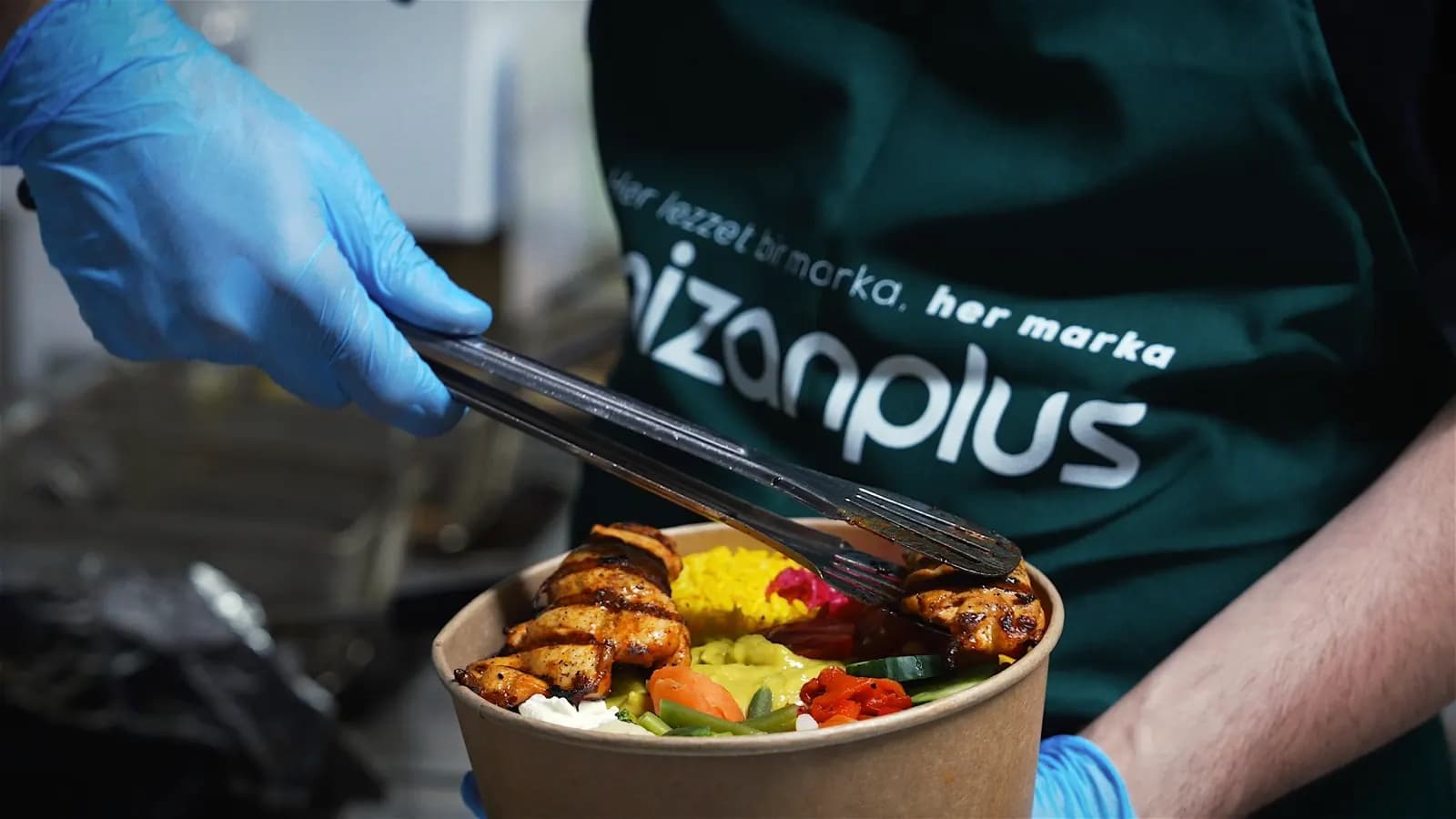
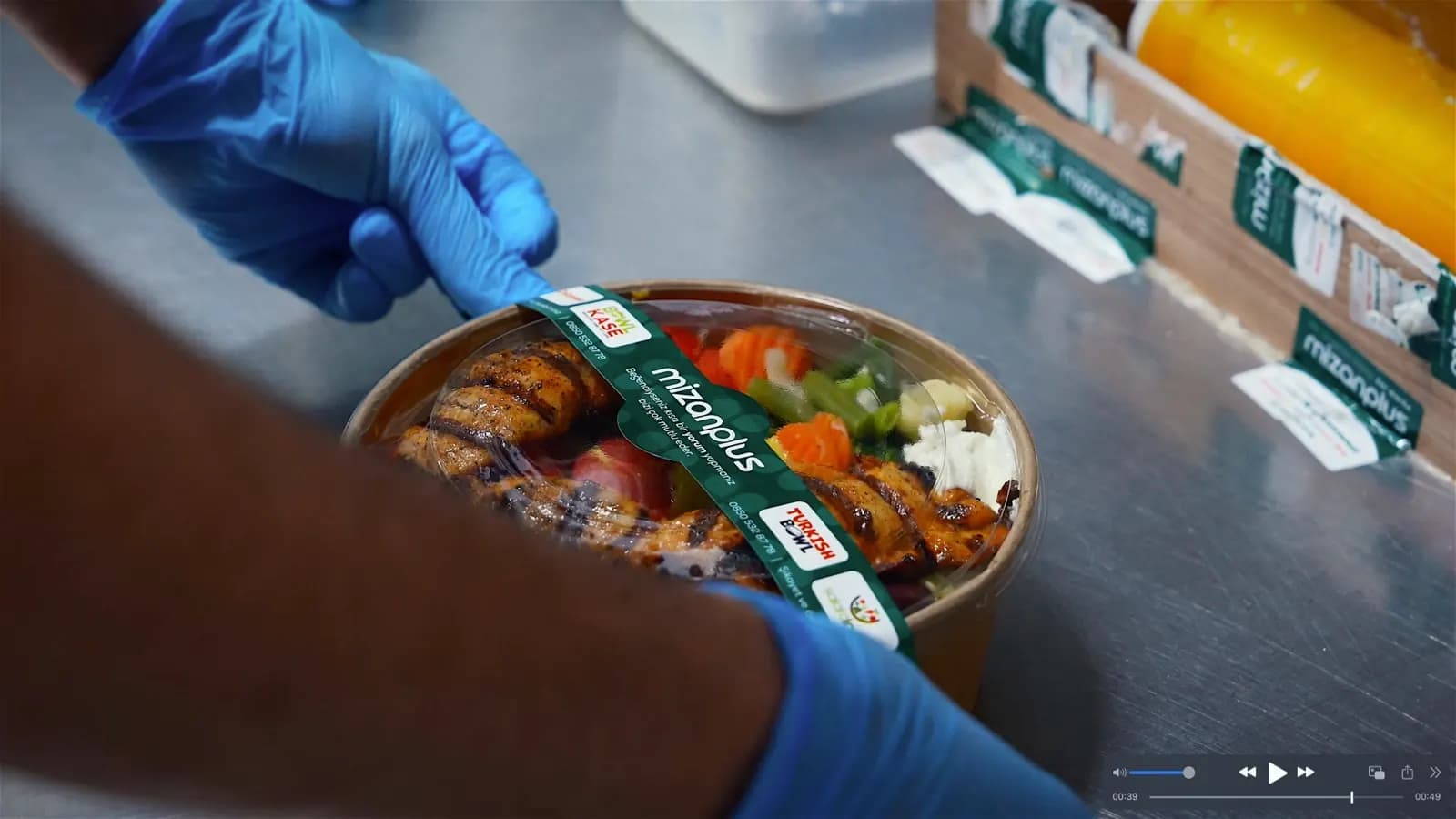
Every portion is packed hands-free in BPA-free, heat-resistant containers, then sealed with a leak-proof film that protects it from outside contamination. All packaging materials are single-use and meet food safety standards.
Our Food Safety Standards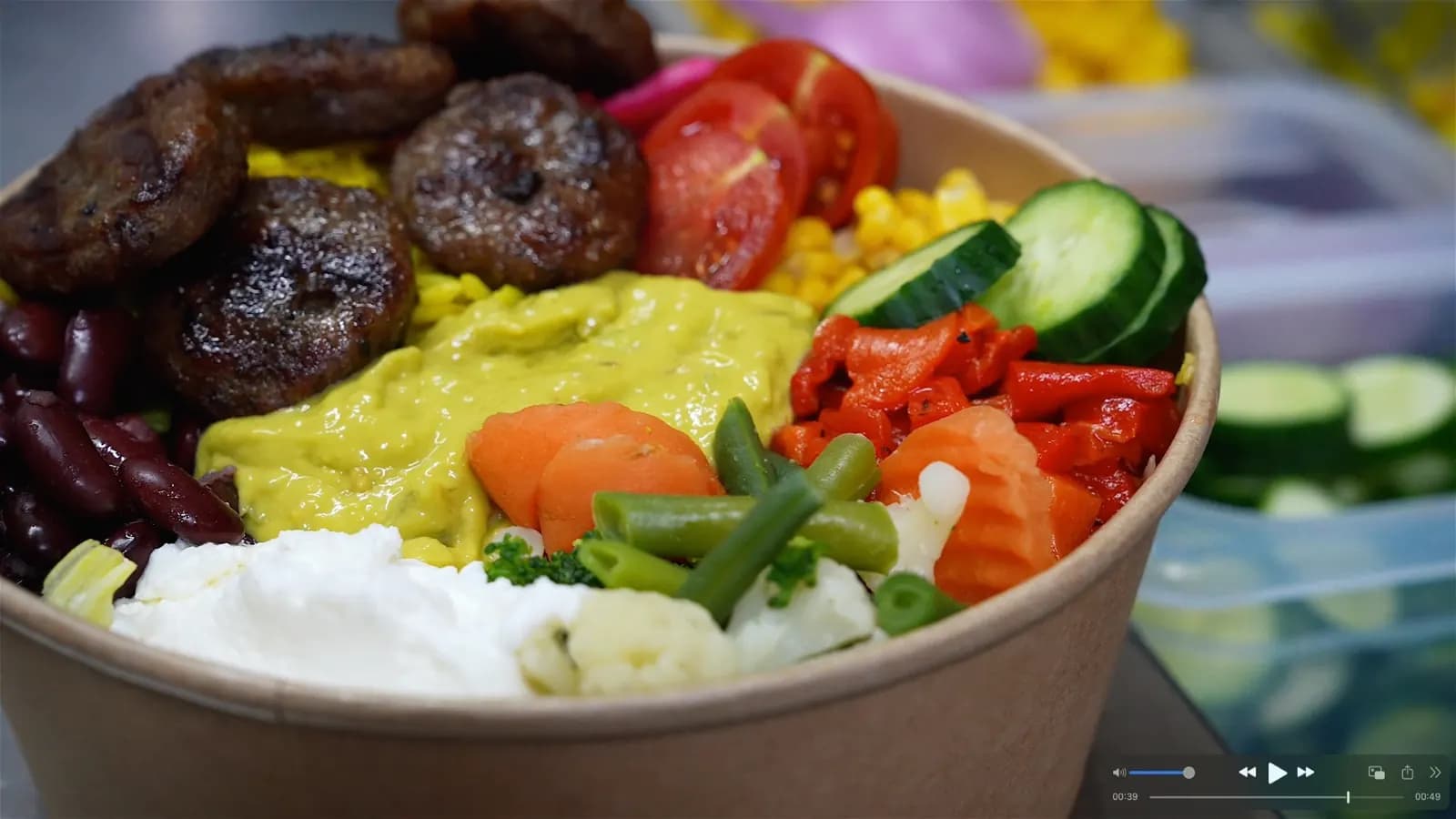

04
One Mizanplus Kitchen,
Many Food Brands
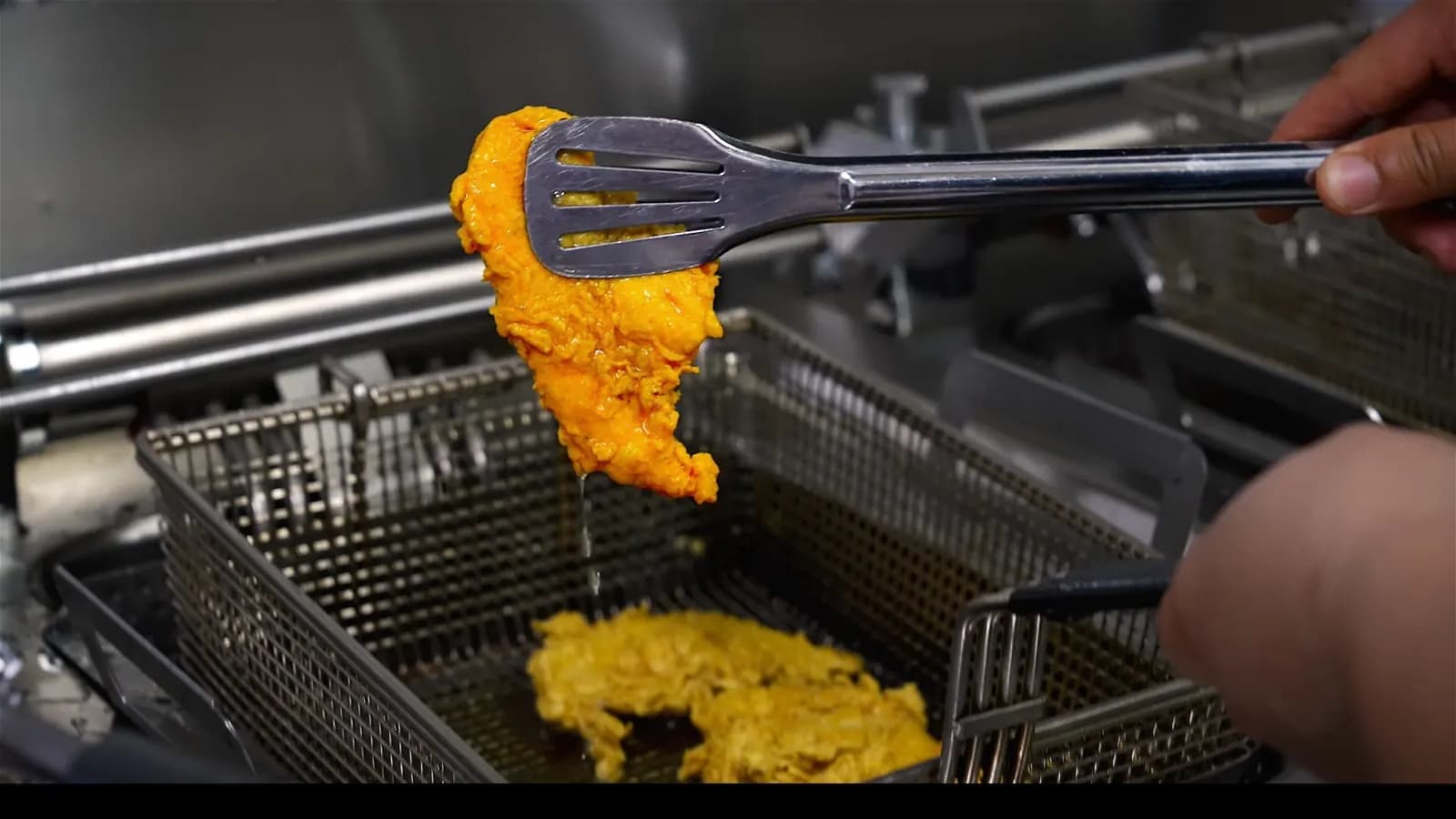
Every brand in the Mizanplus family specializes in one category and follows its own recipe standards: Crunchy Chickens for crispy chicken, Sevgi Lokantası for home-style dishes, and Bowl Kase for balanced meals with clear calorie counts. The brands are different, but the hygiene standards, supply chain, and inspection process behind them are the same.

More efficient operations,
a stronger, more diverse brand lineup.





Frequently Asked Questions
Yes. In Türkiye, every business that produces food, with or without a dining room, must hold a Business Registration or Approval Certificate from the Ministry of Agriculture and Forestry. Cloud kitchens are subject to these regulations and the same inspection regime. Not having a dining room is no exemption.